
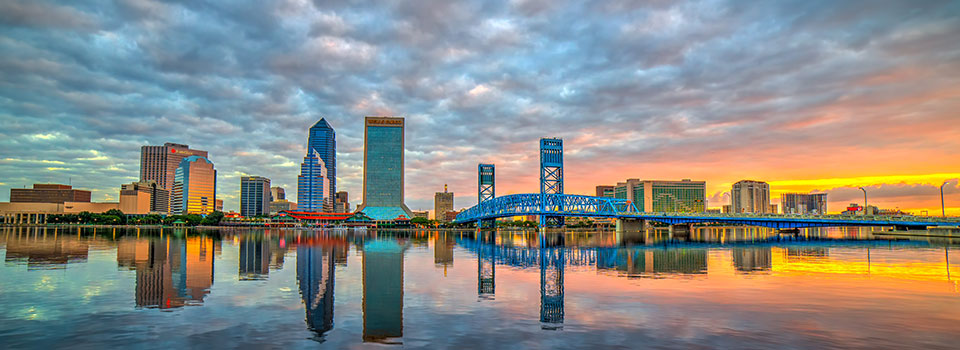
Jacksonville is an exceptional haven perfectly situated along the Atlantic Ocean. It strikes the balance between a luxurious yet affordable destination for visitors and those looking to live in a culture-filled city with vibrant nightlife. With an abundance of natural parks, breweries, and authentic cuisine, this city attracted over 120 million visitors in 2019. The combination of diverse economic activity and leisure are among the reasons why this city is ideal for young professionals and families alike. 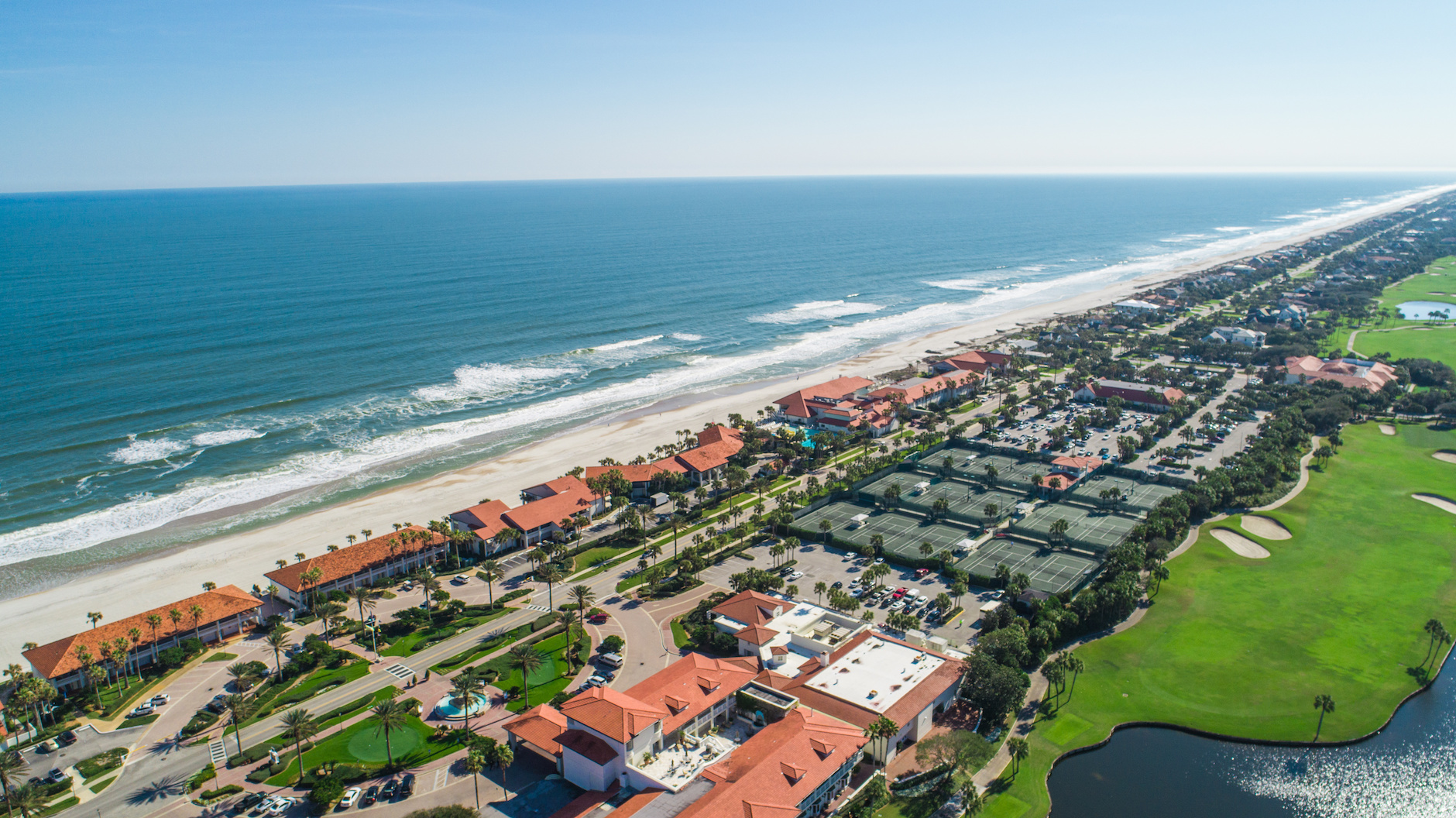 Single-family detached homes are still among the leading residential types in the area. According to Norada Real Estate, Jacksonville’s real estate market has increased by 85% over the last decade. With this in mind, it is important to note that buying and building homes in the city continues to flourish as a profitable market. Jacksonville offers a number of great neighborhoods to build houses in including Bartram Park, Julington Creek, Northside, and Orange Park. With all this information, residents and newcomers have one thing to ask: how much does it cost to build a house in Jacksonville?
The Cost of Building a Custom Home in Jacksonville
According to Jacksonville.com, Northeast Jacksonville has experienced a growth spurt in new construction. Advances in technology-enabled telecommuting has allowed people to slowly move from cities to suburbs and rural areas. John Elis III of Legacy Engineering said, “These are people who are looking for a lifestyle change and the ability to work from anywhere. What they see here is a vibrant downtown area, pristine outdoor areas nearby, and a host of economic benefits from the cost of housing to no state income taxes.” In addition to the situation brought by the pandemic, most people find Florida a place synonymous with tourism, healthcare, and a diverse economy with tons of opportunities.
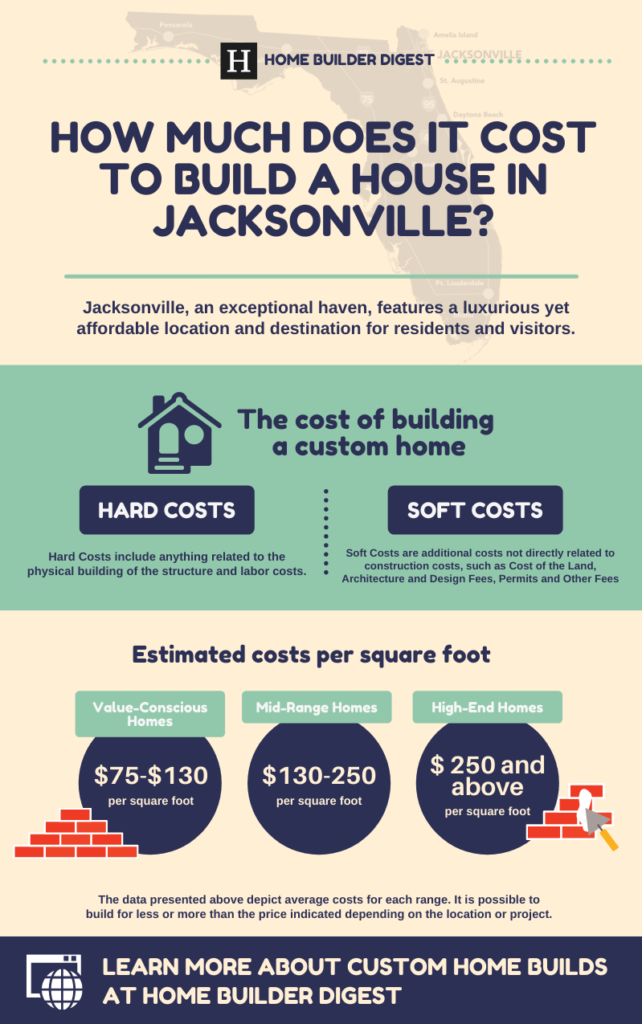
Considering its growing population, we studied the costs related to residential building in the city. After thorough research and collaboration with different contractors and architects, we have concluded the latest estimates for constructing a new home in Jacksonville.
For value-conscious homes, per square foot cost ranges from around $75 to $130. Mid-range homes will cost $130 to $250, while high-end homes can cost more than $250 per square foot. Factors that affect these prices include the economic impact of the pandemic, supply chain issues, and the current state of the local real estate market.
Building houses is a process that starts with a well-thought out plan and is followed by the actual construction. The costs related to the planning and preparation stage are commonly referred to as soft costs while the costs involved in the proper construction are referred to as hard costs. To guide homeowners along the process, Home Builder Digest put together a list of the hard and soft costs needed to complete your new Jacksonville home.
Hard Costs
Now, more than ever, is a time where homebuilding clients need to be more flexible with their budget. Multiple construction materials have experienced a price hike, specifically the cost of lumber. In an interview with First Coast News, Michael Lanahan of Lanahan Lumber said that a year ago, half-inch treated plywood costs $28, yet today, this ranges from $56.46 and up. Another hard cost affected by the unprecedented times is labor. The labor shortage that the country faces creates a huge impact on low-wage jobs, including construction laborers. Today, they get paid an average of $14 per hour, but can also go as high as $20, depending on their skills and certifications.
Currently, HomeAdvisor’’s data states that the typical range of foundation costs that homeowners in Florida have spent range from $3,400 to $6,200. For Jacksonville, a hurricane-prone area, the most ideal type of foundation is pier and beam. As it requires serious planning and rigid materials to support the home, this type of foundation will cost an average of $6 to $12 per square foot.
For the roof, the most common options for Jacksonville residents are shingle, metal, tile, and built-up. A small-sized shingle roof can cost a total of $6,000 to $8,500, while larger ones with special features can cost as much as $30,000 to $40,000. According to ProMatcher, installation of a metal roof ranges from $690 to $906 per square, a big price difference compared to flat roof installation that costs $120 to $200 per square. Meanwhile, a standard tile roof installation costs $696 to $1,115 per square.
More than good maintenance, the real key to having an effective plumbing system is to have a sufficient potable water supply, safe drainage, and adequate fixtures and equipment to begin with. Hiring a contractor to build these systems costs $64 to $73 per hour. Other core residential components are the electrical system, HVAC, and insulation. For electric utility installation, Manta’s data reveals that Jacksonville homeowners have paid $780 to $1,100 for a service that includes materials, labor, and clean-up. This needs to be as heavy-duty as possible, for this will support the HVAC system, which can cost $3,500 to $6,000 for the unit and installation. Lastly, insulations. The cheapest type is rolled insulation which starts at $0.79 per square foot, followed by the blown attic which costs around $0.93 per square foot or above, and the spray foam that starts at $1.21 per square foot.
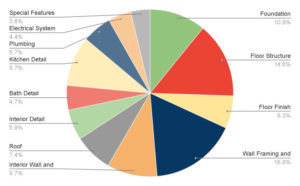
Figure 1. Average cost breakdown of a single-family home constructed in Jacksonville, according to Home Builder Digest.
Soft Costs
Soft costs in construction refer to anything that does not deal with the direct or physical construction of a home. These often come in the form of taxes, design services, permit fees, land, and other legal fees. It can happen anywhere within the construction process from pre to post-construction. Different projects may call for different soft costs depending on their scope and requirements. While soft costs seem less intimidating, these can be problems later on in the construction if overlooked. Listed below are some of the soft costs that are necessary for building a home:
Cost of the Land
People purchase land in Florida for various reasons. Some for growing crops and raising livestock, while some for developing a subdivision or building a new home. If you are one of the latter, then Jacksonville is indeed an ideal location. Like Naples, Melbourne, Orlando, Pensacola, and TampaIt, Jacksonville is a high-priced area because of its dense population. Per square foot prices start at $2, and can also go as high as $29. According to Zillow, buyers commonly pay $5 to $9 per square foot for a vacant lot. Additional and discretionary fees such as land survey cost start at a fixed price of $390. This price will go up depending on the accessibility, material, terrain, vegetation, size, and records of the existing land.
Architecture and Design Fees
Architects in the Jacksonville area typically charge $6,800 to $18,600, but some also do an hourly rate which starts from $90 to $140 per hour, or $4 to $8 per square foot. Hiring the best residential architects in Jacksonville pays off by having a home that truly reflects the fusion of historic and modern styles. These artisans have watched Jacksonville grow as a city that encompasses thriving businesses and striking residences. Helping these professionals with their tasks are interior designers whose cost starts from $1,000 to $4,500 or around $12 to $28 per square foot according to Studio M Interior Design. This will further be affected by the scope, design preference, and materials used by the designer. For structural engineers, rates can go from $400 to $980 or $0.25 to $2 per square foot.
Permits and Other Fees
Florida is known as the hurricane capital of the US. In the past few years, the state has faced and felt the destruction brought by hurricanes Irma, Michael, and Andrew among others. This has strengthened the state’s initiatives of creating updated building codes for the durability of its structures and the safety of its residents. In Jacksonville, these building codes are monitored through the use of building permits. The Jacksonville Building Inspection Division is responsible for giving permits and ensuring that projects comply with the state’s and county’s building codes.
According to HomeAdvisor, a typical permit cost in Florida ranges from $542 to $1,282. Home Builder Digest reviewed government websites and documents to come up with an estimate of the total permit fees each homeowner needs to build a home.
Building
- Jacksonvillebeach.org gave a detailed list of Building Permit Fees per project valuation:
- $20 for the first $1,000 + $5 for each additional $1000
- $260 for the first $50,000 + $4 for each additional $1000
- $460 for the first $100,000 + $3 for each additional $1000
- $1,660 for the first $500,000 + $2 for each additional $1000
- Electrical, Plumbing, Mechanical Permit Fees
- A single trade permit for electrical, plumbing, and mechanical installations each start at $75
Miscellaneous
- Roofing Permit Fee starts at $75
- Deck Installation Permit Fee starts at $150, plus any additional inspection fees
- Pool Installation Permit Fee starts at $75, plus any additional inspection fees
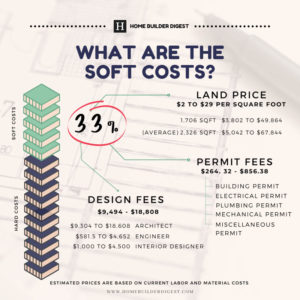
Figure 2. Breakdown of soft costs in Jacksonville, according to Home Builder Digest.
How do the custom home building costs in Jacksonville compare to other cities in Florida?
The 2021 national average cost of building a home starts from $287,466 and up according to HomeAdvisor. This number has increased by over $47,000 from 2020’s survey which averaged from $240,000. Meanwhile, construction costs in Florida are 5% lower than the 2021 national average and in Jacksonville, this is further reduced by 2%. It puts the city among one of the more affordable places to build a home when comparing it to cities like Miami, Fort Lauderdale, and Orlando. Construction in these more affluent neighborhoods can start from $150 to $400 and up per square foot.
Figure 3. “The Best Times to Visit Florida” Roundtript, n.d. https://roundtript.com/best-times-to-visit-florida/.
Major Custom Home Building Trends Across the Web for Jacksonville
What Leading Custom Home Builders and Architects that Serve Jacksonville Say
We reached out to home builders and architects serving Jacksonville to obtain in-depth information regarding the costs of residential construction.
The Future of Jacksonville’s Residential Construction Industry
Without a doubt, 2020 has been a tumultuous year for everyone. Businesses, especially construction, had their fair share of difficulties from a shortage in labor to the spiking prices of materials. Despite this situation, Jacksonville’s home construction continues to pick up the pace and gain momentum. A recent interview of Jax Daily Record with Robert Dietz, an economist at the National Association of Home Builders, revealed that in the past year, the population in Jacksonville increased by 1.7%. This created a surge in building permits putting the city at the 11th spot for largest markets for single-family homes.
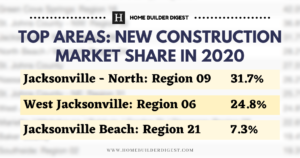
Figure 4. Top Areas with New Construction Market Share in 2020. Source: “Annual Report on the Northeast Florida Housing Market.” Northeast Florida Association of Realtors, January 8, 2021. https://www.nefar.com/uploads/filesets/8/62e7649a9463a01bf35f8305e2795d32.pdf.
Several real estate experts shared their thoughts on the influx of housing permits and demand for homes in Jacksonville. Jacksonville Business Journal recently interviewed Gary Griffin, president of the Associated Builders and Contractors of Florida. According to Griffin, although the construction industry has faced some difficulties and significant backlogs, this has not hindered the community from moving forward. He added that while the current situation is tough, it is something that the industry will face head-on. In line with this, the Northeast Florida Association of Realtors (NEFAR), reported that builders received over 1,422 home permits in July bringing the total of residential permits to 11,181. With only a few months left in the year, builders and realtors are expecting the permit total to come close to or beat 2020’s 12,555 residential permits.
Cost Saving Tip for Building a Home in Jacksonville
Build to Current Florida Code to Maximize Insurance Savings
Jacksonville’s location on Florida’s northeast coast places it in the path of hurricanes and tropical storms, and homeowner’s insurance has become one of the largest and fastest-rising ongoing costs of ownership throughout the state. One of the most impactful cost-saving strategies for a Jacksonville custom build is ensuring your home not only meets but exceeds current Florida Building Code requirements for wind resistance. A properly engineered roof with a sealed deck, hurricane straps connecting the roof structure to the walls, impact-rated windows or approved shutters, and reinforced garage doors qualifies for wind mitigation credits that can reduce insurance premiums by 15 to over 40 percent, depending on the insurer and the specific features installed. The incremental cost of these features during initial construction is modest compared to retrofitting an existing home, and the annual insurance savings begin immediately and compound over the life of ownership. In Florida’s current insurance environment, where premiums have risen dramatically, these savings can amount to thousands of dollars per year. Have your builder arrange a wind mitigation inspection as soon as the roof and windows are installed, and present this documentation to your insurer at closing to secure the discounted premium from day one. New homes built to current code also avoid the surcharges and coverage limitations that increasingly affect older construction in the Florida market.
Frequently Asked Questions
Which areas in—or near—Jacksonville are among the best for custom home building?
The Beaches communities—Ponte Vedra Beach, Jacksonville Beach, Neptune Beach, and Atlantic Beach—represent the premier custom home locations in the metro area, offering direct ocean access, strong schools in the St. Johns County system, and a resort-style lifestyle. Ponte Vedra Beach in particular commands premium prices for custom waterfront and golf course lots near TPC Sawgrass. Across the Intracoastal Waterway, the Nocatee master-planned community has become one of the fastest-growing in the nation, offering a range of custom and semi-custom lot opportunities with extensive community amenities. Mandarin, in south Jacksonville, provides established neighborhoods with mature live oaks along the St. Johns River, and San Marco and Avondale attract buyers interested in walkable urban infill custom builds near downtown restaurants and cultural venues. The Southside and Tinseltown areas offer newer suburban infrastructure with strong commercial amenities. St. Augustine, about 40 minutes south, provides a distinctly different historic character with coastal custom building opportunities. For buyers seeking more affordable acreage, the Orange Park and Middleburg areas west of the city offer larger parcels with a more rural character, and Fernandina Beach on Amelia Island to the north provides a charming small-town coastal alternative.
How does Jacksonville’s climate potentially impact home building costs?
Jacksonville’s subtropical climate brings hot, humid summers, mild winters, and direct exposure to Atlantic hurricane and tropical storm activity—all of which shape construction requirements and costs. Florida’s building code mandates wind-resistant construction throughout, including impact-rated windows or approved shutters, reinforced roof-to-wall connections, and wind-load-rated roofing systems. Jacksonville’s wind speed zone requirements are lower than South Florida’s but still add meaningful cost compared to inland or northern markets. The year-round humidity requires thorough moisture management: sealed building envelopes, mold-resistant materials, properly sized HVAC systems with strong dehumidification capacity, and well-ventilated attic assemblies. Many Jacksonville lots fall within FEMA flood zones, particularly near the St. Johns River, its tributaries, and the coastal areas, requiring homes to be elevated above the Base Flood Elevation—adding substantial foundation and structural cost. The salt air environment near the coast accelerates corrosion of metal components, making stainless steel and marine-grade hardware a practical necessity for coastal properties. On the positive side, Jacksonville’s mild winters eliminate concerns about frost-line depth, heavy snow loads, and the heating-intensive construction common in northern markets, and year-round construction activity helps keep project timelines on track.
What should I know about soil and terrain conditions before buying a lot in Jacksonville?
Jacksonville’s terrain is predominantly flat and low-lying, shaped by the St. Johns River, the Atlantic coast, and the extensive marsh and wetland systems that define Northeast Florida’s geography. The predominant soils are sandy, which generally provide adequate bearing capacity for residential slab-on-grade foundations and drain well, but the high water table—often just a few feet below the surface—means that basement construction is not feasible and homes are built on slabs or, in flood zones, on elevated pilings or stem wall foundations. A geotechnical investigation is recommended before purchasing any lot, as soil conditions and water table depth can vary. Some areas feature organic soils or poorly compacted fill that may require soil stabilization or deeper foundation systems. Jacksonville’s most critical lot-selection factor is flood zone status. The St. Johns River basin is exceptionally flat and slow-draining, and many areas of the metro—including some that do not appear flood-prone at first glance—carry FEMA flood zone designations that trigger elevated foundation requirements and mandatory flood insurance. Coastal lots face additional considerations including erosion setbacks and saltwater intrusion potential. Buyers should also verify whether a lot falls within protected wetland areas, as environmental permitting for wetland-adjacent construction can add time and complexity to the project.
Broadly speaking, is it cheaper to build or buy an existing home in Jacksonville right now?
Jacksonville’s housing market has seen strong price appreciation driven by population growth, favorable Florida tax policy, and the city’s appeal as an affordable coastal alternative to South Florida. Existing home prices have risen significantly but remain below the state average for coastal markets. Construction costs have also increased due to Florida’s building code requirements, rising material costs, and strong builder demand. On a cost-per-square-foot basis, buying an existing home in Jacksonville is generally less expensive than building a comparable custom home. However, many of Jacksonville’s existing homes were built before the most recent building code updates and may lack current wind-resistant features, modern HVAC systems, and energy-efficient construction—all of which affect both safety and insurance costs. Insurance is the critical variable in this equation: new homes built to current Florida code typically qualify for substantially lower premiums than older construction, and in a market where insurance costs have risen sharply, this difference can amount to thousands of dollars annually. Building new in Jacksonville ensures full code compliance, proper flood zone engineering, and modern energy efficiency, making it a strong long-term financial proposition for buyers who factor in the total cost of ownership rather than just the upfront price.
Considering building a home in Jacksonville?
Contact us for a free consultation