
Home » Cost Guides » Washington Cost Guides » How Much Does it Cost to Build a House in Spokane?
Spokane is the seat of Spokane County, Washington. It is popularly known as “Lilac City” because of the Lilac Garden in Manito Park, which is said to contain over 100 named cultivars from 23 distinct species of the flower. Spokane is also known to be the birthplace of the internationally-celebrated “Father’s Day.” The city also goes by the nickname “Hooptown USA” as it hosts the biggest 3-on-3 tournament in the world. The city was home to Hillary Swank, a two-time Academy Award winner for Best Actress, and is best known for her lead role in Million Dollar Baby.
The COVID-19 pandemic forced businesses and schools to close, implementing remote work soon after. Indeed released data regarding job postings on its website, which showed that Spokane had a growth of 90.8% in remote work posts between February 2020 and January 2022. This makes the city a close second to Boise, Idaho, which had 94.8% growth in listings. More and more people are also moving into the city while still employed in companies located in Seattle or the Bay Area. Spokane saw an increase in tech startup activity in the area, with multiple firms receiving investments.
With this growth, prospective homeowners and developers may ask: how much does it cost to build a home in Spokane?
The Cost of Building a Home in Spokane
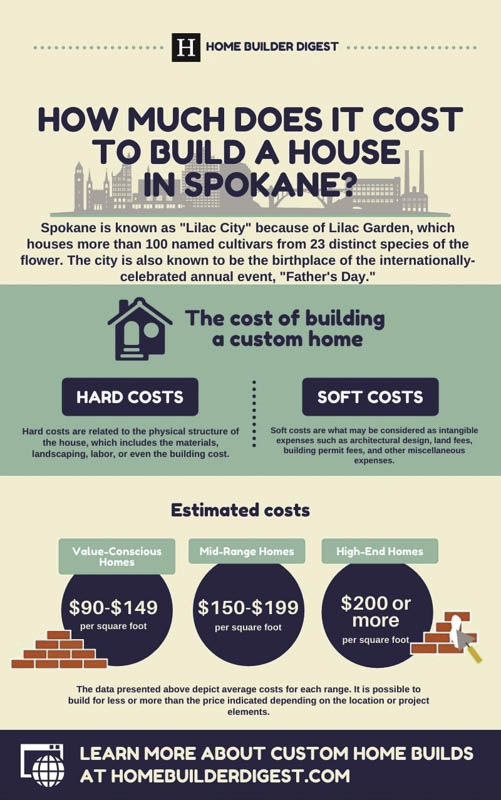


Nationally, building a 2,000-square-foot home costs an average of around $300,000 according to Forbes, which in Washington would cost $343,100 to construct. On the other hand, HomeBlue reports that it can cost anywhere from $90 to $200 per square foot to build a home in Spokane. The cost to build has increased by 15% all over the country. Spokane is one of the cities listed by Forbes that have increasing home and rent prices, ranking eighth out of ten. With Denver, Colorado, and Tucson, Arizona below it, rent in Spokane increased by 16% between September 2020 and 2021, while home prices increased by around 30% from the second quarter of 2020 to the second quarter of 2021.
The COVID-19 pandemic has shifted the housing market. Once remote work became widely available and accepted, people left high-cost cities and moved to those with decently-priced living costs such as Spokane. This, however, brings about even more problems as city governments struggle to build more affordable housing to level out the market prices. With people from more expensive cities joining the fight to rent or own property, it becomes increasingly difficult for cities to maintain their affordability. Spokane was once considered an affordable city, where the median household income could afford around two-thirds of the housing market. Two years into the pandemic, home prices are up by 60%.
The cost of building a custom single family home in Spokane depends on the labor, professional service, and materials it requires. Some of the other components fluctuate independently from each other, including the foundation, framing, exterior, and interior finishing. There are also various fees associated with building a home that would have to be settled before starting the actual construction. This includes, but is not limited to, architecture and design, building permits, land and zoning, plumbing, electrical, and home additions.
Hard Costs
The hard costs are the various expenses that help construct the physical structure of the home. These include the materials, labor, and even the total building value, and these costs may vary with the quality or even the waiting time. The cost to build a new home in Spokane depends on the type of materials used and the complexity of the project. Basic construction for a single family home in the city starts at $90 per square foot, while a middle-range home could cost around $150 per square foot. On the other hand, a luxury single family home build can cost around $170 to $200 per square foot or higher.
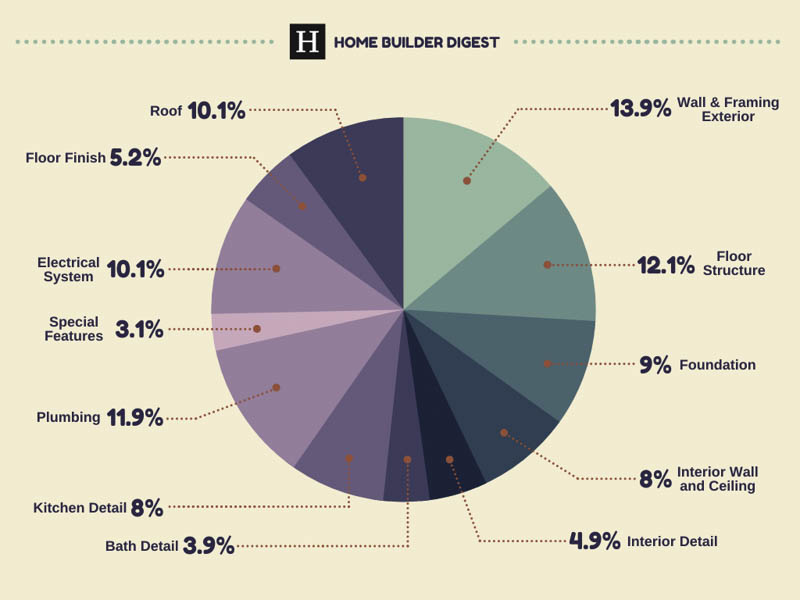
Figure 1. Typical cost breakdown of a single-family home constructed using the conventional method, according to Home Builder Digest. Image Source: National Cost Guide.
Benson Bondstone shares the breakdown of the various building costs for a 2,500-square-foot home. The materials and installation costs for drywall are around $13,959, and $8,475 for insulation. For roofing, Aptera reports that roofing installation in Spokane can cost around $4,500 for an asphalt shingle roof, or around $25,000 for a metal roof. For home systems, installing an air conditioning system ranges from $2,300 to $6,000 according to Air Pros USA.
Lumber costs skyrocketed in 2021, especially around May when it reached an all-time high of $1,711 per thousand board feet. This is one out of the three major factors that contributed to the increase in the cost of new home construction. Land, labor, and lumber reached record highs, and while trees were still being harvested during the early parts of 2020, sawmills were closed due to the pandemic. The sudden high demand could be attributed to the growth in remote work, where more people had the time to assess which portions of their houses needed to be fixed or remodeled. As of February 2022, new home construction increased by 22% as compared to the previous year; this may also affect the current and future demand for lumber. Although lumber costs cooled down around June 2021, 2022 is seeing yet another increase as the material’s price in the country reached $1,452 this quarter.
Soft Costs
Soft costs are expenses beyond the physical construction of the home, such as architectural design, pre-construction, land development, and permit fees like building, plumbing, water, and others.
Cost of the Land
Finding the perfect lot is vital in the process of home construction since one might need to make adjustments in the design to accommodate a certain land feature. Prices may vary with several factors, such as view, amenities, land topography, and even its distance from metropolitan or commercial areas. The average cost of land on Zillow is $192,800, and the average land size listed on the website is 15,195 square feet, which is $13.66 per square foot. These values may still increase depending on the development status of the land, or if it is fit for residential construction since some properties listed on websites may be undeveloped.
Permits and Other Fees
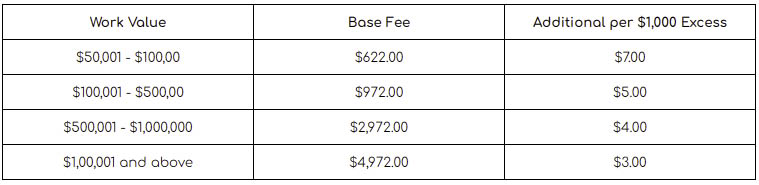
Permits may be filed online by creating an account on the City of Spokane Accela Citizen Access (ACA). The city government requires a processing fee of $25, and a State Building Code fee of $4.50, plus $2 per dwelling unit in excess of the first one. The building permit plan review fee for new single family residences is 25% of the building permit fee cost. For additions and accessory structures such as garages, sheds, greenhouses, and decks, there is a building permit plan review fee of $25. For any additional review, changes, or revisions, the city requires a payment of $75 per hour or a fraction thereof. The building permit fees depend on the value of the work, and a breakdown estimate is shown below.
Fee calculators are also available to help project owners accurately compute their total payment due before they can start the construction.
Architecture and Design Fees
Architecture and design fees depend on the size, scope, and complexity of the project. The final design will also vary with the client’s needs and preferences. While some projects may be simple and straightforward, others may require extensive research, attention to detail, and further consultation with other industry professionals. Nationally, the architect and design rates range anywhere between 5 and 20% of the total construction cost. For Spokane, these services may cost around 5 to 7.5% of the cost-to-build.
How do the custom home building costs in Spokane compare to other nearby cities?
Realtor reports that the median listing price of existing homes in Spokane is around $400,000 or $210 per square foot, but sold on an average of $390,000. This value is an increase of 21.6% compared to the previous year. As of February 2022, there are over 800 properties available for sale, with the most expensive at around $14,500,000. With a sale-to-list ratio of 100.02%, the city is categorized as a seller’s market, which means that more people are looking for homes than the number of available properties. Spokane’s home values lie in the middle when compared to neighboring cities.
Coeur d’Alene is a city in Idaho, located 33 miles outside of Spokane. Realtor reports that the median listing price in the city is $579,000 or around $317 per square foot. With more than 300 properties ranging from $65,000 to $14,000,000, the city is a buyer’s market, where there are more homes than buyers.
Deer Park is a city in Washington, 23 miles away from Spokane. According to Realtor, the current median listing price in the city is $489,900, or around $272 per square foot. The median sold price is $465,000, or approximately 5% lower than the listing price. As of February 2022, the city’s sale-to-list ratio is 100%, which makes it a balanced market due to the equal supply and demand of homes.
What Leading Custom Home Builders and Architects that Serve the Spokane Area Say
Evan Verduin of Trek Architecture discusses that the huge influx of transplants from larger more expensive markets like California and Seattle will continue. This is because of the increased remote work possibilities in the city. This also implies that the prices in Spokane will continue to go up for both the home values and cost-to-build, and may ultimately squeeze out local buyers. Prices will remain competitive compared to larger markets, but this will drive up the cost of living significantly higher than it has been historically.
Scott Diettert of Residential Designs, Inc believes that Spokane might have another housing bubble similar to 2008. The government is adding more regulations and costs, and there are also companies like BlackRock attempting to take over the housing market by buying numerous properties. Diettert advises prospective project owners to start early with their designers since some clients have the notion that by coming in on a Monday, the plans will be completed on Friday that same week.
The Future of Spokane’s Residential Construction Industry
The Federal Reserve raised the interest rates for the first time in four years and sees six more rate hikes before 2022 ends. This may help cool down the housing market all over the country, as the rate hikes result in higher mortgage borrowing rates and eventually lower demand. There is still the observed increase in lumber costs, which may add about $18,600 to the price of a new single family home on top of the rate hikes.
Much of the competition in Spokane’s housing market is concentrated on smaller or mid-range homes. With remote workers still moving into the city, more developments are expected to rise and open to accommodate the growing population. In a report, Spokane County issued around 3,086 permits between January and November 2021, which is an 18% increase compared to the previous year. It is expected that the cost of materials, while still high, will level out this 2022. The supply chain and the lack of workers are still affecting the availability of materials and may continue to become a challenge for the Spokane residential construction industry.
Cost Saving Tip for Building a Home in Spokane
Prioritize a High-Performance Building Envelope for Spokane’s Winters
Spokane’s cold, snowy winters and rising energy costs make the building envelope—walls, roof, windows, and air sealing—the single most cost-effective area to invest in during construction. Upgrading from code-minimum insulation to a high-performance wall assembly with continuous exterior insulation, advanced framing techniques, and triple-pane windows adds a relatively modest amount to the upfront build cost but delivers compounding savings on heating bills every year. In Spokane’s climate, where the heating season extends from October through April, the difference between a well-sealed home and a standard one can amount to hundreds of dollars per month during the coldest months. Washington state’s energy code is already more stringent than many states, but going beyond the minimum with strategies like a blower-door-tested air barrier and properly detailed vapor management can further reduce both energy use and the risk of moisture-related problems within the wall assembly. Heat pump systems, which perform well in Spokane’s dry-cold climate, pair exceptionally well with a tight building envelope and can provide both heating and cooling at high efficiency. By treating the building envelope as a priority investment rather than an area to cut costs, you create a home that is more comfortable, more durable, and significantly less expensive to operate—advantages that pay dividends for as long as you own the home.
Frequently Asked Questions
Which areas in—or near—Spokane are among the best for custom home building?
South Hill remains Spokane’s most prestigious residential area for custom home building, known for its tree-lined streets, older established neighborhoods, and proximity to Manito Park and the Comstock Park district. The upper South Hill offers larger lots with city and mountain views, attracting luxury custom builds. Eagle Ridge, a master-planned community on the southwest edge of the city, provides newer infrastructure with golf course living and panoramic views of the Palouse. Liberty Lake, east of Spokane, has experienced rapid growth and offers a range of custom lot opportunities near the lake, parks, and a growing commercial center. The Five Mile Prairie area northwest of downtown provides elevated lots with sweeping views and a semi-rural feel while remaining within city limits. Mead and the north Spokane corridor attract families with strong schools and more affordable land. For buyers seeking acreage, the communities near Medical Lake to the west and along the Little Spokane River to the north offer rural settings with reasonable commuting distance. Across the state line, Coeur d’Alene and Post Falls in Idaho have become popular alternatives, offering lakeside living, lower property taxes, and a thriving custom home building market within a 30-minute drive of downtown Spokane.
How does Spokane’s climate potentially impact home building costs?
Spokane’s four-season climate features cold, snowy winters with temperatures frequently dropping below freezing for extended stretches, dry warm summers, and significant temperature swings between seasons. These conditions create specific construction requirements that impact costs. The frost line in the Spokane area extends approximately three to four feet below the surface, requiring foundations—including full basements, which are common in the market—to be set at this depth. Homes must be built with high-performance insulation, tight air sealing, and efficient heating systems to manage heating costs during a winter that can last from October through April. Washington state’s energy code is among the more stringent in the country, requiring higher levels of insulation, air sealing, and mechanical efficiency than many other states, which adds to construction costs but reduces long-term energy expenses. Roofing must accommodate heavy snow loads and the freeze-thaw cycle, and ice dam prevention through proper attic insulation and ventilation is important. Spokane’s dry summer climate reduces concerns about mold and humidity that complicate construction in wetter regions, and the relatively long dry season from May through September provides a reliable window for exterior construction work. Wildfire smoke from regional fires has become an increasing summer concern, and some homeowners opt for enhanced air filtration systems.
What should I know about soil and terrain conditions before buying a lot in Spokane?
Spokane’s landscape was dramatically shaped by the Missoula Floods at the end of the last ice age, leaving behind a complex geology of basalt bedrock, glacial till, and deep deposits of sand and gravel. Soil conditions vary significantly across the metro area. The South Hill and many central neighborhoods sit on well-drained sandy and gravelly soils that generally provide good bearing capacity and straightforward foundation construction. However, some areas—particularly in lower-lying zones near the Spokane River and its tributaries—feature finer-grained soils with higher water tables that can complicate basement construction and require more robust drainage systems. Basalt bedrock is present at varying depths throughout the region, and encountering rock during excavation increases costs for foundations, utility trenching, and basement construction. A geotechnical investigation before purchasing a lot is advisable, as conditions can differ substantially within short distances. Lots on Spokane’s hilly terrain—especially on the South Hill and the surrounding basalt bluffs—may require retaining walls, engineered grading, and slope stability analysis. Buyers should verify that the lot has access to municipal water and sewer, as some properties on the metro fringe may rely on well and septic systems.
Broadly speaking, is it cheaper to build or buy an existing home in Spokane right now?
Spokane’s housing market has transformed dramatically in recent years, with existing home prices rising sharply as an influx of remote workers from Seattle and the Bay Area drove demand well beyond the local supply. While prices have moderated somewhat from their peak, the market remains significantly more expensive than it was before the pandemic. Construction costs have also increased, driven by Washington’s stringent energy code requirements, rising material prices, and a competitive labor market. On a cost-per-square-foot basis, buying an existing home in Spokane is generally less expensive than building a new custom home. However, many of Spokane’s existing homes are older structures that may need substantial investment in updated insulation, heating systems, windows, and electrical to meet modern efficiency standards—particularly important in a climate where heating costs are a major ongoing expense. Building new gives you a home designed and insulated for Spokane’s winters from the start, with modern systems, current code compliance, and a floor plan tailored to your lifestyle. For buyers who plan to stay long-term, the higher upfront investment in new construction is often offset by lower utility bills, reduced maintenance, and stronger resale value in a market where energy efficiency is increasingly important to buyers.
Considering building a home in Spokane?
Contact us for a free consultation