
Home » Cost Guides » Florida Cost Guides » How Much Does it Cost to Build a House in Tampa?
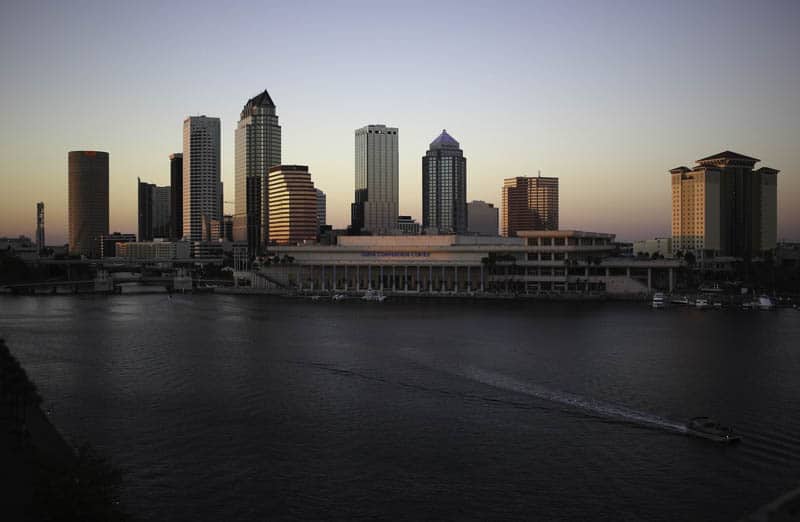
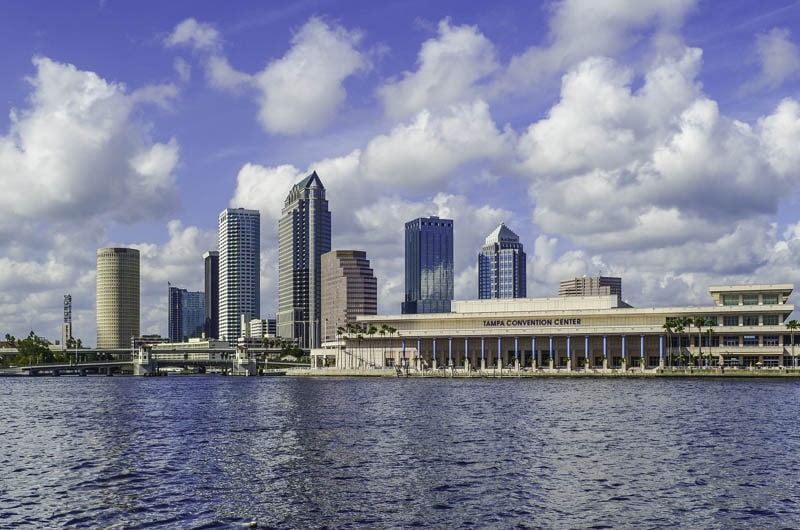
Tampa is a major city in the state of Florida, situated on the northern shore of Tampa Bay. The city is the largest in the Tampa Bay area and one of the fastest growing cities in the whole United States, with a population of over 385,000 in 2020 and several new residents moving in per day. This makes it the third most populated city in Florida next to Jacksonville and Miami, and the 52nd most populated city in the United States. A major economic center in the state of Florida, it is home to several major industries and numerous Fortune 500 companies. Tampa is responsible for bringing in over $15 billion to its home state with an economy driven by tourism, healthcare, finance, technology and maritime industries.
The Cost of Building a Custom Home in Tampa


New movers are welcomed with property taxes lower than the national average, and an average cost of living 20% lower compared to its neighbor city, Miami. The absence of state income taxes also attracts many types of people to reside here. It is a very popular choice for new families and retirees, as it is known for having a safe community and excellent school districts. However, it also attracts many millennials and Gen-Z movers because of its bustling nightlife, lively food scene, and great beaches, golfers of all ages with its unrivalled collection of golf courses, and fitness buffs with its variety of jogging trails, sports facilities and gyms in the city.
Another factor possibly drawing in people is the bustling economy, which has been generating a wave of new job opportunities. Tampa has observed a heavy net migration rate over the past 4 years. Since 2018, the annual growth rate of the population is at 1.63%. According to the 2020 Miami Report, an average of 950 people move to Florida everyday with 115 on average moving to Tampa everyday. Since 2021, Florida has ranked top for net migration in the U.S. Census migration data. However, this influx of individuals to the Tampa Bay area has caused housing prices to go up as supply struggles to keep up with demand. Still, many of those who migrate to Tampa opt to own houses instead of rent due to low interest rates and high cost of rent in the city. Moreover, the real estate market in Tampa is one of the fastest growing in the United States. From June 2016 to 2021, the city has observed a dramatic increase in overall median home prices, ballooning from $197,000 to $271,000.
Architectural blog The House Designers lists the average cost of building a Tampa, Florida home from scratch at $250,000 to $350,000, or a range of $60-$150 per square foot. However, pricing differs based on factors like location, house size and footprint, and quality of the work. Costs for each new home construction will also vary depending on the labor and resources that go into it. Most homeowners tend to focus on just the framing, foundation, plumbing, roofing, and flooring during the planning phase. However, there are also other costs associated with new home construction such as architecture and design fees, builder fees, permits, and additional custom features. Every cost that affects the cost of building a home can be categorized into soft and hard costs, which can fluctuate independently.
Hard Costs
Hard costs are the various expenses related to the actual construction of the house. These include, but are not limited to, the cost of raw materials, labor fees, the cost of land and landscaping. These costs also cover the installation of utilities such as plumbing, electronics as well as heating and ventilation systems.
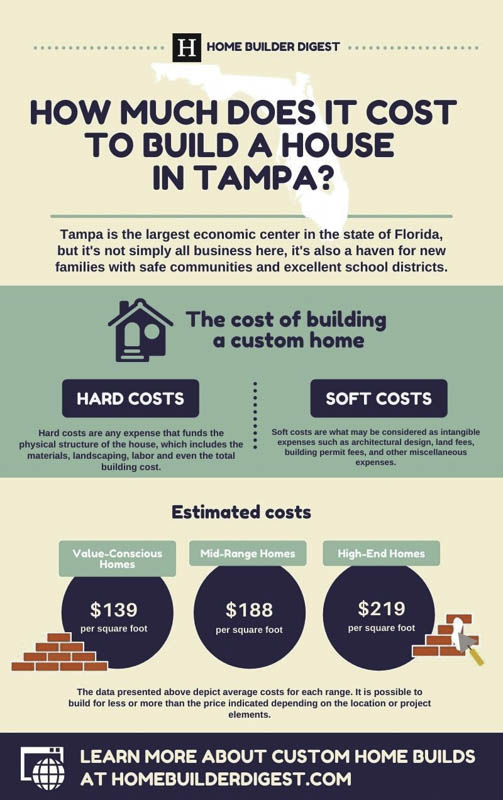
Building a home in Tampa, Florida can cost an aspiring homeowner an average of $121.81 per square foot for basic construction. In other words, a 2,400-square-foot house would cost around $293,000 to build. Budget homes can cost around $139 dollars per square foot, while the average or mid-range home can cost $188 per square foot. On the other hand, it will cost around $219 per square foot for a high-end home.
The cost of setting a concrete foundation on a home costs an average of $5.64 per square foot for a 4-inch reinforced slab. Roofing prices vary widely depending on the quality of shingles and the overall materials. Asphalt roofing can cost a homeowner between $3.20 to $5.50 per square foot. Metal shingles cost as much as $6.20 to $9.70 per square foot. Building a roof for a 2,400-square-foot house would then cost around $7,900 to $23,280. As for electric costs, rewiring a new house ranges from $6-$8 per square foot, making the cost to rewire an average-sized house around $19,200. The installation of a centralized air conditioning system in Tampa, Florida can cost an average of $6,000, but this can vary based on the system size, energy efficiency (SEER), the unit’s comfort features, warranty and the contractor.
In addition, even though Florida is known as the 33rd cheapest state to build a home in, average structure costs tend to be relatively higher. This is because Florida structures must adhere to higher building standards in order for structures to withstand inclement weather caused by Florida’s abundance of tropical storms.
Soft Costs
All other expenses not related to the physical structure of the house fall under soft costs. Such costs include the taxing and regulations that may be imposed by the state of Florida, which may include permit fees and land or real estate taxes. Interior designer and architect fees — anything related to the design of the house — are also considered soft costs.
Cost of the Land
Average lot sizes in Tampa span from 5,000 to 10,890 square feet, costing between $31.65 to $43.31 per square feet. Average lot costs were recorded in 2021 to span from $214,172 to $357,734.50.
Permits and Other Fees
On average, building a home in Tampa includes permit fees that average at $7,757. This figure includes all homebuilding permits such as residential fees, building permit fees, electrical and mechanical permit fees, plumbing, gas, and other miscellaneous permits for amenities such as roofing, pool construction, and renovations.
Architecture and Design Fees
In Tampa, the cost of hiring an architect is normally 2-15% of the total build cost of the home. Home plans are also available online for roughly $2,000; however, it is highly suggested that aspiring homeowners hire an architect on a per hour basis to be able to plan their home with a specific design, vision, and lifestyle in mind. Stock home plans usually cater to the interest and lifestyle of the general market. Hiring an architect on a per hour basis can cost as much as $86.67 plus materials, $2.34 per square foot for the design cost, or at times, 6.97% of the total cost to construct a home.
How do the custom home building costs in Tampa compare to other nearby cities?
Among the cities in Florida, Tampa is the 5th most expensive city in Florida to purchase land, after Naples, Sarasota, Jacksonville, and Orlando. However, buying land in Tampa is still attractive for new families considering that it has one of the safest school districts, based on U.S. Census data and population data from the FBI and CDC.
What Leading Custom Home Builders and Architects that Serve the Tampa Area Say
Jennifer Motsinger, Executive President of the Tampa Bay Builders Associated stated in an interview that Tampa is still a challenging market for buying new homes. As of 2021, impact fees in Hillsborough county, Tampa have increased from $9,000 to $28,000. However, it’s still more affordable to own a home in Florida than it is to rent—making it a great city for families.
The high demand in homes in Tampa, Florida makes the housing market susceptible to bidding wars. For every 10-20 homes released in the market, it is essential to offer a bid or risk getting left behind.
In addition, the 2020 pandemic also caused a shortage in building supplies—contributing to the increase in home prices in Tampa. Though costs are high, it is still one of the leading cities in the United States for new home construction.
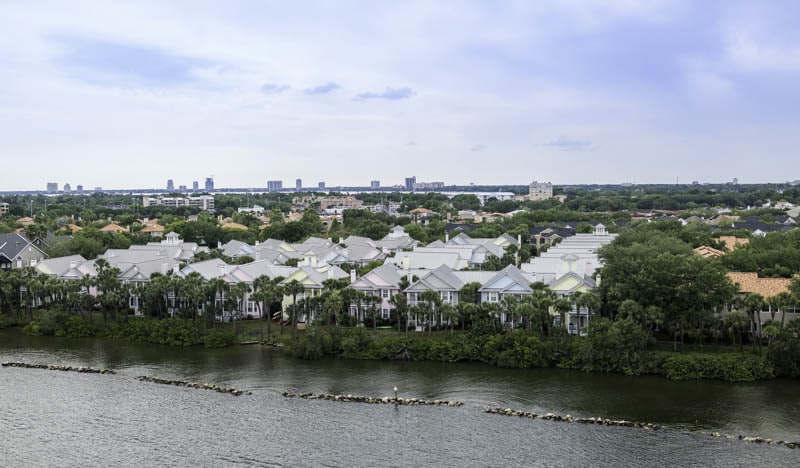
According to premier architecture and building firm Dream Coast Builders, pre-pandemic clients would have expected a price of roughly $250-300 per square foot for in-land construction projects, and $350-450 for waterfront projects. The difference in price accounts for the cost of building the house above a floodplain. Waterfront properties often are built with the first floor living space on the second floor, while the ground floor is built or used as storage or a garage – giving its residents and their belongings more protection against flooding.
The pandemic has brought a nationwide increase in supply costs that generated a series of supply chain issues. Fortunately, the real estate market continues to boom, making up for the higher cost of building. This level of growth in Florida real estate is good news for investors who desire a good return on their investments. Even with just half the rate of growth in the past, investors can still expect the value of their homes to grow at least 10% per year. Dream Coast Builders consistently receives inquiries from people living in other states who express interest in owning a piece of Tampa land for vacation homes as well as permanent residences.
The Future of Tampa’s Residential Construction Industry
The city of Tampa has consistently topped real estate rankings in the United States over the past years. This makes it a very popular site for both residential and commercial investors. Tampa’s construction and real estate market fortunately wasn’t heavily affected by the pandemic, unlike other cities around the country.
The low supply of both resources and homes is a national concern, but it is more so in Tampa than in other cities due to the high demand for real estate investors. Construction costs are consistently rising by 5.4% yearly. Despite rising home prices, the demand for new homes grows consistently, causing a shortage of available homes.
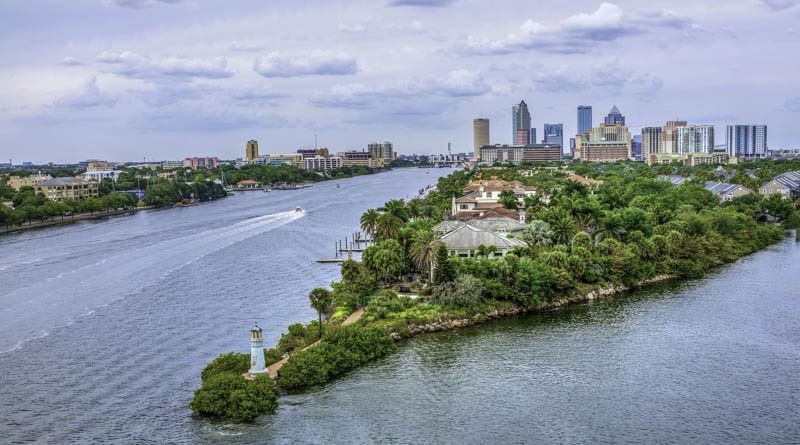
Another driver for the strong real estate market in the city are the numerous, stable employment opportunities. The pandemic had caused a spike in unemployment nationwide which makes Tampa a desirable investment for real estate enthusiasts, investors, young adults and families. Tampa has managed to consistently outpace national unemployment rates for the past five years, which is a good indicator for stability in the area. Tampa is one of the fastest-growing metropolitan areas in the United States and it is projected that this high growth paired with a high demand in real estate will make it one of the hotspots for residential properties in the future.
Cost Saving Tip for Building a Home in Tampa
Lock In Your Hurricane-Rated Materials Early
One of the most effective ways to control costs on a Tampa custom build is to purchase hurricane-rated materials—particularly impact windows, reinforced doors, and roofing components—as early in the project timeline as possible. These items represent a substantial share of the overall construction budget in any Florida coastal build, and their prices are uniquely volatile. Demand for impact-rated products surges after every named storm or active hurricane season forecast, and manufacturers often respond with price increases and extended lead times that can stretch from weeks to months. By working with your builder to identify and order these materials during the design and permitting phase—well before framing begins—you can lock in current pricing and avoid the premium that comes with last-minute procurement during peak season. Some builders maintain relationships with local suppliers who offer pre-season pricing programs or bulk purchase discounts on impact glass packages. It is worth asking about these options during your initial builder interviews. Beyond the upfront savings, investing in high-quality hurricane-rated materials can also yield meaningful insurance discounts. Many Florida insurers offer wind mitigation credits for homes built with specific impact-resistant features, and these annual savings compound over the life of ownership, effectively reducing the true cost of the materials over time.
The city of Tampa has consistently topped real estate rankings in the United States over the past years. This makes
Frequently Asked Questions
Which areas in—or near—Tampa are among the best for custom home building?
South Tampa remains one of the most desirable areas for custom home construction, prized for its tree-lined streets, waterfront proximity, top-rated schools, and strong property values. Within South Tampa, neighborhoods like Hyde Park, Palma Ceia, and Beach Park each offer distinct appeal—ranging from historic charm and walkability to large lots with mature landscaping. Davis Islands is another standout, offering a secluded island feel with waterfront lots and private dock potential just minutes from downtown. For buyers seeking more land at a lower price point, Wesley Chapel to the north provides larger lots within newer master-planned communities and rapidly expanding commercial infrastructure. Westchase, in western Tampa, combines golf course living with excellent schools and a suburban atmosphere. Keystone and Odessa, northwest of the city, attract on-your-lot custom builders with more acreage and a semi-rural feel, while south Hillsborough communities like Riverview, Valrico, and Apollo Beach offer growing neighborhoods with waterfront options at more accessible price points. Across the bay, St. Petersburg and its enclaves like Snell Isle provide vibrant cultural amenities and waterfront custom building opportunities, though available land tends to be scarcer.
How does Tampa’s climate potentially impact home building costs?
Tampa’s subtropical climate and exposure to tropical storms are the single biggest drivers of added construction cost compared to inland or northern markets. Florida’s building code mandates hurricane-resistant construction features—including impact-rated windows and doors, reinforced roof-to-wall connections with hurricane straps, and wind-load-rated roofing systems—all of which increase material and labor expenses. Homes built in designated flood zones must be elevated above the base flood elevation, which often means constructing the primary living space on an elevated or second-story level while using the ground floor for parking or storage. This elevation requirement adds significant structural cost, particularly for waterfront properties. Tampa’s intense heat and humidity also demand high-efficiency HVAC systems with strong dehumidification capability, properly sealed building envelopes, and mold-resistant materials in framing, drywall, and insulation. Year-round moisture exposure means builders must invest in advanced waterproofing for foundations and exterior finishes. On the positive side, Tampa’s mild winters allow for nearly year-round construction activity, which can reduce carrying costs and timeline delays that plague builders in colder climates.
What should I know about soil and terrain conditions before buying a lot in Tampa?
Tampa sits on a foundation of sandy soil with a characteristically high water table, both of which have direct implications for construction. The sandy composition drains quickly but offers less structural bearing capacity than clay or rock, often requiring deeper or wider footings and reinforced slab foundations. The high water table—sometimes just a few feet below the surface—can complicate excavation work and necessitate dewatering during foundation installation, adding time and expense to the project. Perhaps the most significant terrain concern unique to the Tampa Bay region is sinkhole risk. Central Florida’s underlying limestone bedrock is susceptible to dissolution, which can create subsurface voids that collapse into sinkholes. Before purchasing a lot, it is strongly advisable to commission a geotechnical survey that includes ground-penetrating radar or standard penetration testing to evaluate sinkhole potential. Some lenders and insurers may require this step. Florida law also has specific sinkhole insurance provisions that buyers should understand. Additionally, many lots near the coast or bay fall within FEMA-designated flood zones, which dictate minimum elevation requirements and affect both construction costs and ongoing insurance premiums. A thorough site evaluation before purchase can prevent costly surprises once construction is underway.
Broadly speaking, is it cheaper to build or buy an existing home in Tampa right now?
In Tampa’s current market, the answer depends heavily on what you’re comparing. The median resale home price in the Tampa metro area has risen dramatically in recent years, driven by strong migration, limited inventory, and sustained demand from both residents and investors. At the same time, new construction costs have climbed due to rising material prices, labor shortages, and increased impact fees in Hillsborough County. On a pure dollar basis, buying an existing home is often less expensive upfront than building a comparable custom home from scratch—particularly when you factor in land acquisition, permits, architecture fees, and the extended timeline of construction. However, existing homes in Tampa frequently require updates to meet current hurricane building codes, modernize aging HVAC systems, or address deferred maintenance, which can narrow the cost gap significantly. Building new gives you the advantage of current code compliance, energy-efficient systems, modern floor plans, and a builder warranty—all of which reduce long-term ownership costs. For buyers who plan to stay in their home for the long term, building custom in Tampa often provides better value over a 10- to 15-year horizon, especially when accounting for lower maintenance, insurance advantages of new construction, and the ability to design exactly to your needs.
Considering building a home in Tampa?
Contact us for a free consultation