
Home » Cost Guides » Washington Cost Guides » How Much Does it Cost to Build a House in Vancouver?
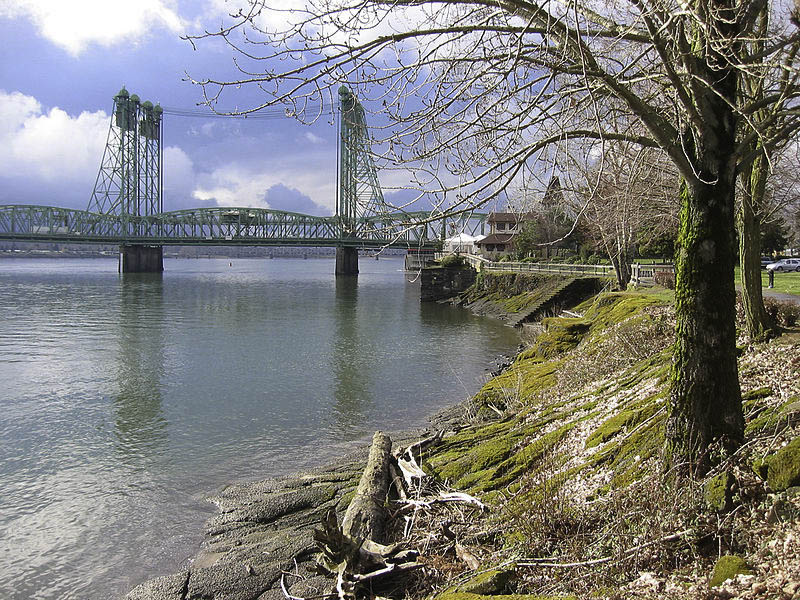
Vancouver is conveniently located along the Columbia River and just right at the edge of the Washington-Oregon border. The city was home to numerous Chinook people that brought salmon and a trade-based economy to the area. Its economy then shifted to fur trade and timber, in which the supplies are housed inside the historic Fort Vancouver. The city experienced an economic boom in the 1940s, but as soon as the old-growth forests depleted, its economy shifted to the current high tech and service sectors. The port of Vancouver still operates today and handles over 400 seafaring vessels annually, along with a myriad of barges that travel up the river going as far as Lewiston, Idaho.
Vancouver’s economy is also buoyed by border trade with its neighboring city Portland, Oregon. The state of Washington has a property tax that is lower than the national average, but it imposes a sales tax higher than the national average. On the other hand, its neighboring city, Portland, doesn’t enforce sales taxes. This resulted in Vancouver residents shopping in Portland and then living and working in Vancouver. Additionally, this attracted numerous retirees who have decided to relocate to the city.
The Cost of Building a Home in Vancouver
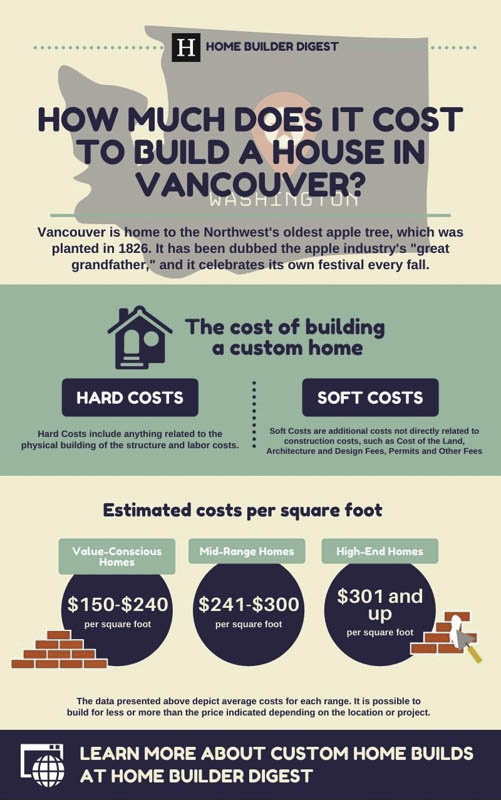


According to the National Association of Home Builders (NAHB), the average cost to build a new home in the country is $485,000. Home Builder Digest suggests a lower median value of $400,000 or $155 per square foot. Both estimates have increased by at least $1,000 — a total of $3,000 since 2020 — contributed to COVID-19-related issues, such as labor shortages and production constraints.
Vancouver’s median home building costs are 55% higher than the national average, at $240 per square foot. More specifically, value-conscious homes range from $150 to $240 per square foot, and mid-range homes cost $241 to $300 per square foot. Luxury or high-end homes cost the most, ranging from $300 and up depending on the customization. Building a 2,500-square-foot custom home in Vancouver will roughly cost $375,000 to $750,000.
It’s difficult to give an accurate figure for how much it costs to build a house in Vancouver because of all the variations. As mentioned earlier, the construction industry faces several issues that directly affect the home building costs until resolved. Additionally, the owner’s wants and demands will determine the overall building cost. Each modification has its own price. It will be dependent on the location, size, quality of materials, and level of finish, among other factors. These elements are divided into two categories: hard and soft costs.
Hard Costs
Hard costs pertain to the factors involved in the physical building of the home. This includes the construction costs, materials, labor, and landscaping. Extra amenities or home additions are also included in this category, alongside heating, ventilation, and air conditioning (HVAC), electrical, and plumbing systems.
The average cost of constructing a home in Vancouver is approximately $150 per square foot. It could cost as low as $100 per square foot or as much as $210 per square foot — ranging from $250,000 to $525,000 for a 2,500-square-foot home. These prices, however, only represent basic home building aspects and finished livable spaces. Adding extra amenities and using better materials raises the overall construction costs, along with site difficulty and intricateness of designs.
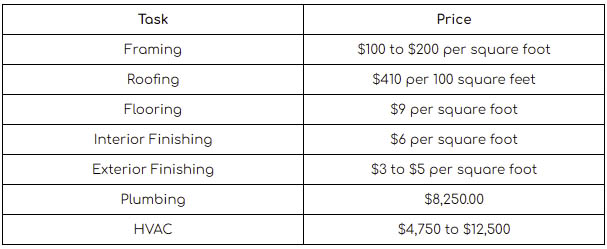
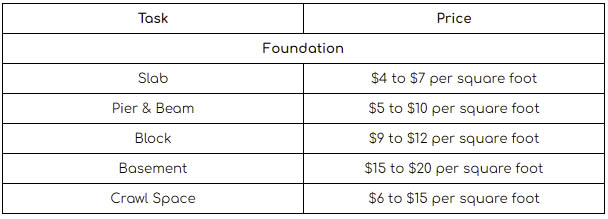
The value breakdown according to job or task is as follows:
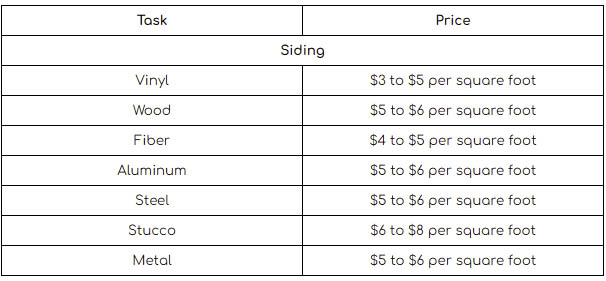
Labor costs are often included in the estimates mentioned above. However, these contractors could bill project owners depending on the contract and negotiations. If that’s the case, here’s how much each service costs, according to ZipRecruiter:
- Construction Manager: $38 per hour
- Framer: $19 per hour
- Roofer: $20 per hour
- Electrician: $24 per hour
- Plumber: $22 per hour
- HVAC Technician: $21 per hour
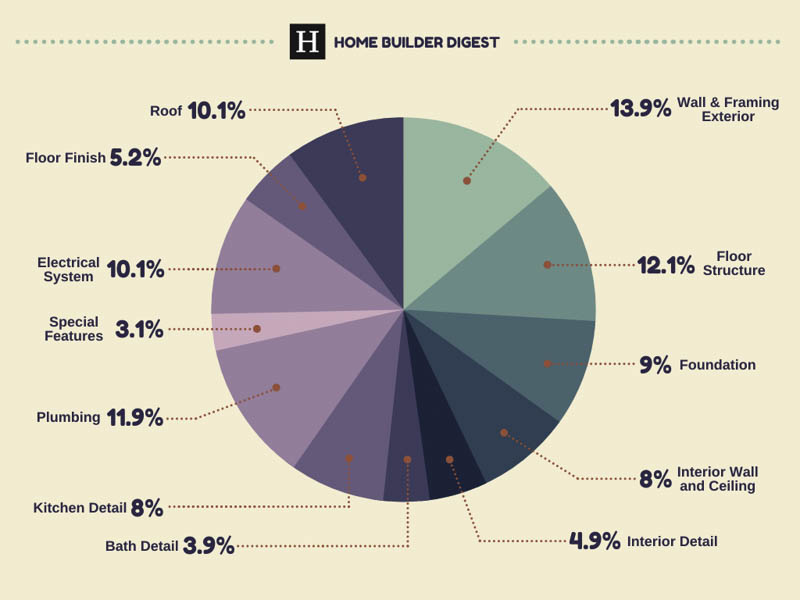
Figure 1. Typical cost breakdown of a single-family home constructed using the conventional method, according to Home Builder Digest.
Soft Costs
Soft costs refer to the fees that go beyond the actual building of the physical home. Usually, these expenses are planned and settled before the construction begins. This category includes fees associated with land acquisition and development, authorizations from the local government, and the overall appearance and layout of the home.
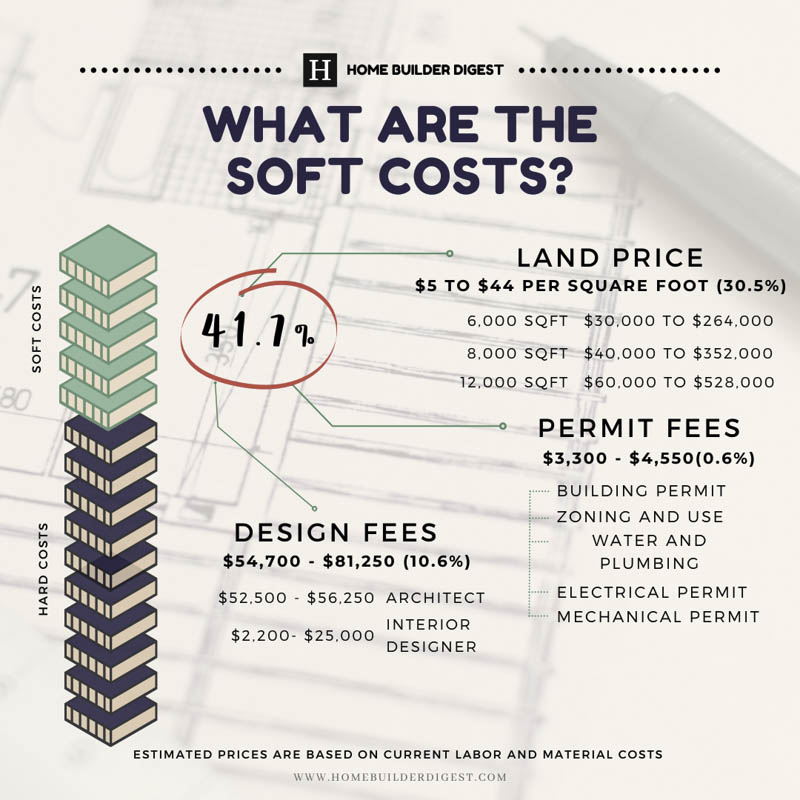
Figure 2. Soft cost percentage and average price range of additional fees, determined from the overall cost of custom home building in Vancouver.
Cost of the Land
According to recent listings in the real estate marketplace Landwatch, the median land cost in Vancouver is roughly $400,000 or $21 per square foot. The cheapest land available costs around $220,000 for a 43,560-square-foot plot of land — about $5 per square foot. It is located on 199th street in northeast Clark County. On the other hand, the most expensive land costs $550,000 for a 12,632-square-foot land — about $44 per square foot. It is located in Lake River Estates, a gated luxury neighborhood in Felida.
According to the city’s municipal code library, single family detached dwellings must have a minimum lot size of 5,000 to 20,000 square feet. The required lot size is determined by the density of the surrounding neighborhood. Following the regulation set upon by the city government, acquiring residential land in Vancouver will cost $105,000 to $420,000.
Permits and Other Fees
Project owners must obtain a permit from the local government before beginning any construction. Members of the board will look through the plans and decide whether or not the project is feasible. If the proposal is accepted, the project owners will receive a permit that will serve as a go signal for the project. If it is rejected, modifications must be made, and the plan must comply with the regulations. This is a crucial stage since it ensures that the structure and property are safe for both the homeowners and the surrounding community.
According to the city government, the building permit fees for new single family homes in Vancouver are calculated based on the overall construction expenses. The following are the fees for each valuation:
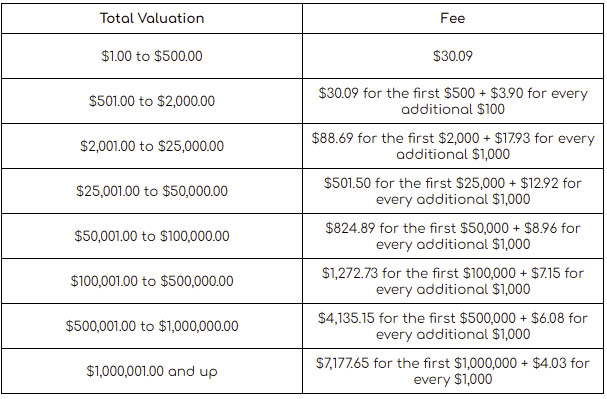
There is a minimum fee of $76.84 for every permit issued and a plan review fee for every project draft. This cost is calculated by getting 35% of the total building permit fee plus a submission fee that costs $78.74. Suppose that building a 2,500-square-foot home costs $375,000. The total building permit fee for this project would be roughly $4,500.
Based on permits found in Clark County’s permit database, homeowners in Vancouver paid an average of $10,600 for their home building permits. The least amount paid for a building permit fee costs around $2,020, and the most amount paid costs around $15,830.
Architecture and Design Fees
Architects and designers charge in a variety of ways for their services. Percentage and hourly are the two most common methods. When project owners and architects negotiate, other strategies, such as a hybrid of the two, are adopted. The pricing is also determined by the designer’s experience, expertise, and reputation. Prominent designers are more likely to charge higher design fees than newer designers.
Architects in Vancouver often charge 14 to 15% of the total construction cost. Depending on the size, workload, complexity, and intricateness of details, this rate may increase or decrease. For example, assuming that a 2,500-square-foot home in Vancouver costs $375,000 to build, a new single family home’s total architectural fee will range from $52,500 to $56,250. Any additional services are usually charged hourly.
The average hourly fee for architects in the city is around $43 per hour, as per ZipRecruiter. For basic architectural services, which take approximately 480 to 600 hours to complete, the design price ranges from $20,650 to $25,800. On the other hand, complete architectural services require more time and effort; thus, they will take longer. A preliminary estimate is 1,095 hours; however, this is subject to change. This will cost around $47,100 in design fees alone.
How do Vancouver’s custom home building costs compare to nearby cities?
Data from BuildZoom (BZ) shows that homes recently built in the Portland Metro Area — Portland-Vancouver-Hillsboro, OR-WA — have an average cost of $210 per square foot. More specifically, value-conscious homes cost $165 to $210 per square foot, and mid-range homes cost $210 to $315 per square foot. High-end homes cost the most, with $315 per square foot and more.
In terms of home building costs across major cities in Washington, BZ estimates that the median ranges from $185 to $480 per square foot, or roughly $465,000 to $1,200,000 for a 2,500-square-foot home. For context, BZ reports that Vancouver’s median home construction cost is around $210 per square foot. The following shows the median home building value for each city, as well as the percentage difference from Vancouver:
- Seattle: $250 per square foot, 19% more expensive
- Spokane: $190 per square foot, 10% cheaper
- Tacoma: $185 per square foot, 12% cheaper
- Bellevue: $480 per square foot, 129% more expensive
- Kent: $330 per square foot, 57% more expensive
What Leading Custom Home Builders and Architects that Serve the Vancouver Area Say
The following are viewpoints expressed by local home builders and architects serving the Vancouver area. These refer to the city’s present challenges and trends, as well as more information on the construction industry and housing market.
Justin Ross, the owner of Design Doctors Construction, expressed that his firm is experiencing huge backlogs of projects. The pandemic-related supply chain issues brought this problem, which is still growing. Numerous materials, such as cabinets, doors, and windows, have extra-long wait times. This also led to rising construction prices, including labor, by at least 30% since 2020. Despite the rising prices, the firm’s services are still in high demand as many clients still have great interest in building.
Lewallen Architecture + Build owner Michael Lewallen confirmed that the supply chain issues have been a tough challenge for the industry, along with labor shortages and the economic recession. Additionally, interest rates are consistently climbing and remain intact. This will possibly slow down the increasing home demands and housing market. Lewallen gave advice to aspiring homeowners: “Build quality over size. A high-quality design by an architect will be money in your pocket.”
Jason Krenzler, the owner of Krenzler Homes, expressed that the next two years of the industry might not be positive. He said that the building sector is “on the verge of a bubble that could easily burst” because of the various issues in the industry. This pushed prices to inflate dramatically and might lead to people not able to afford new construction projects, especially if the interest rates climb even higher. Krenzler believes that the rising prices are mainly brought about by supply chain issues and home shortages. Builders can’t build fast enough to meet the current market’s demands. “The demand side would have to change in order for the market to cool down to a more reasonable level,” he added. On the bright side, people are still excited to build, and the waiting list keeps getting longer. He advised clients to lock in a deal to avoid future loan rate hikes to combat the rising interest rates. Also, aspiring homeowners should prepare a contingency fund to cover the unexpected pricing increases.
The Future of Vancouver’s Residential Construction Industry
The COVID-19 pandemic brought numerous problems to the world, including various economic complications. Like all other business sectors, the construction industry was forced to adapt. Although pre-construction activities can be arranged and approved remotely, the construction aspect itself requires face-to-face interactions to complete. This made it challenging for almost everyone in the industry. As mentioned earlier, supply chain issues, lack of labor workforce, and low home inventories are problems the industry is yet to solve. Additionally, severe winter storms in February 2021 halted numerous projects. This further pushed back the lined-up projects by many builders.
One of the most noticeable impacts of these issues is the continuous rising in home values. As previously explained by various home builders and architects in the area, homes in Vancouver, Washington, have increased since the pandemic. Homes in the city are currently valued at $550,000, a 42.5% increase compared to the February 2020 pre-pandemic value of $386,000. Experts predict that these values will continue their upward trajectory over the following months reflecting the region’s overall perspective.
Another outcome is the surge in various construction materials. The materials that have been affected the most are iron, steel, and softwood lumber. Iron and steel prices have since increased by at least 15.6%, and softwood lumber increased by at least 73%. This resulted in a further increase in home building prices. The average price of a new single-family home has risen by more than $18,600 due to volatile lumber costs, as per NAHB. Fortunately, after the association’s efforts to combat the problem, the Commerce Department has decided to decrease lumber taxes by more than 35% on imports of Canadian lumber into the U.S. This will hopefully give a bit of relief to the home building industry if it doesn’t stabilize the market.
Vancouver’s housing market is looking forward to the possibility of a balanced supply and demand. New home constructions have been rampant across the city, specifically in the northern part of Vancouver. The city’s low home inventory pushed aspiring homeowners to build new homes instead of purchasing. Various builders jumped on the demand and increased their production of single-family homes. This will result in an equalized housing market over the next year or two and a slowing down of home-price appreciation in the city.
Cost Saving Tip for Building a Home in Vancouver, Washington
Structure Your Project to Capture Washington’s Tax Advantage Over Portland
Vancouver, Washington occupies a uniquely advantageous financial position relative to virtually any other major Pacific Northwest metro area: it sits directly across the Columbia River from Portland, Oregon, giving residents access to Portland’s extensive job market and urban amenities while remaining subject to Washington state tax law—which has no state income tax—rather than Oregon’s. For custom home builders, this tax structure creates a meaningful opportunity to reduce project costs that is not available in most comparable markets. Washington does impose sales tax, and building materials purchased in-state are generally subject to it, but the overall tax burden on earned income for a household in Vancouver is substantially lower than for a comparable household in Portland or elsewhere in Oregon. This differential in ongoing tax savings can meaningfully accelerate a homeowner’s ability to manage construction financing and recover the upfront investment of building new. Beyond the tax advantage, Vancouver’s position in Clark County rather than Multnomah or Washington County in Oregon means buyers are subject to Clark County’s permitting jurisdiction, which—while active and thorough—operates on timelines and fee structures distinct from Portland’s notoriously complex development review process. Buyers who have priced custom home projects on both sides of the river consistently find the permitting process in Clark County more predictable. For buyers who want the practical benefits of the Portland metro without the Oregon tax liability or Portland’s permitting environment, Vancouver represents a structurally advantaged location for building a custom home.
Frequently Asked Questions
Which areas in—or near—Vancouver are among the best for custom home building?
Camas, immediately east of Vancouver along the Columbia River Gorge, has emerged as one of the most coveted custom home destinations in the entire Portland-Vancouver metro area. Its combination of excellent schools, a charming downtown, proximity to the Columbia River and Lacamas Lake recreational areas, and a growing inventory of custom home lots on hillside and waterfront parcels has driven demand from both local buyers and Portland-area residents seeking Washington’s tax advantages without sacrificing quality of place. Washougal, adjacent to Camas, offers a similar river gorge setting at somewhat lower land prices, making it an attractive alternative for buyers who want the gorge scenery with more budget flexibility. Battle Ground, north of Vancouver in the more rural Clark County foothills, has experienced significant growth among custom home buyers seeking acreage lots with mountain views, a small-town community character, and land prices that compare favorably to the established closer-in communities. Ridgefield, northwest of Vancouver, provides another option in this tier, with newer subdivisions, lake access, and competitive pricing along the I-5 corridor. Within Vancouver proper, the Felida neighborhood in northwest Vancouver is well-regarded for custom infill and semi-custom construction, offering mature neighborhood character with larger lots. For buyers seeking maximum acreage at accessible price points, the communities of La Center, Woodland, and rural Clark County north of the city provide spacious parcels where the tradeoff is a longer commute to Portland employment centers.
How does Vancouver’s climate potentially impact home building costs?
Vancouver, Washington shares the Pacific Northwest marine climate of the greater Portland-Columbia River region, characterized by mild, persistently wet winters and dry, warm summers—a pattern that shapes construction requirements in ways that set this market apart from both inland Western markets and the Pacific Coast communities to the north. The rain is the defining factor. Vancouver receives significant precipitation from October through May, with overcast skies and intermittent rain the norm rather than the exception. For custom home builders, this extended wet season has two primary cost implications: first, exterior work phases—foundation, framing, and envelope closure—need to be sequenced carefully to avoid prolonged moisture exposure in partially completed structures; and second, the building envelope must be designed and detailed for durability in a persistently damp climate. Flashing details, moisture barriers, rain screen cladding systems, and adequate roof overhangs are not optional refinements in Vancouver’s climate—they are the difference between a durable home and one that begins showing moisture-related degradation within a few years of completion. The Pacific Northwest’s particular combination of mild temperatures and high humidity is more conducive to wood decay and mold than either a cold-dry or a hot-dry climate, and builders without experience in marine climate construction sometimes underestimate these risks. On the mechanical side, Vancouver’s moderate temperatures mean that heating and cooling loads are lower than in more extreme climates, and heat pump systems—which perform efficiently in the mild temperature range typical of Pacific Northwest winters—are both code-friendly and cost-effective here.
What should I know about soil and terrain conditions before buying a lot in Vancouver?
Clark County’s terrain ranges from the broad Columbia River floodplain on the south to the Cascade foothills on the north and east, and the soil conditions vary substantially across this geography. The lower-elevation areas of Vancouver proper, particularly neighborhoods close to the Columbia River, include areas with fine-grained alluvial deposits, high seasonal water tables, and some older fill areas that can present foundation drainage challenges. The expansive clay soils found in portions of Clark County’s lower elevations behave similarly to those found throughout the Pacific Northwest lowlands—swelling with seasonal moisture and contracting during the dry summer in ways that require engineered foundation solutions rather than standard slabs-on-grade. The more elevated neighborhoods, including the western hills of Vancouver and communities like Camas and Washougal on the Columbia River Gorge shoulder, often encounter basalt bedrock at varying depths. In some areas this bedrock is close enough to the surface to require blasting or specialized equipment for foundation and utility excavation, adding meaningfully to site costs—though it also provides excellent structural support for the foundations that reach it. Sloped lots in the gorge communities and the foothills north of Vancouver offer dramatic views but require geotechnical evaluation for stability, erosion potential, and the retaining infrastructure needed to make them buildable. Buyers of any lot in the Clark County area should commission a geotechnical report before finalizing a purchase, and those considering rural parcels should verify both well water availability and septic system feasibility, as the county’s clay-heavy soils in some areas affect drain field performance.
Broadly speaking, is it cheaper to build or buy an existing home in Vancouver right now?
Vancouver’s housing market has been directly shaped by its proximity to Portland—as Portland home prices climbed steeply through the 2010s and pandemic years, Clark County absorbed substantial demand from buyers seeking more affordable access to the metro area’s employment base. The result is a market where existing home prices are meaningfully higher than they were a decade ago, but where homes remain less expensive on a per-square-foot basis than comparable properties in the Oregon suburbs directly across the river. Building a new custom home in Vancouver is, on a strict cost-per-square-foot basis, generally more expensive than purchasing an existing home in the market—construction costs in Clark County have risen with the broader Pacific Northwest building economy, and permitting, land, and site development costs add to the total. However, this market comparison deserves some context. Vancouver’s existing housing inventory includes a significant proportion of homes built before Washington’s more recently strengthened energy code requirements, and these older homes often have single-pane windows, minimal attic insulation, and aging HVAC systems that translate into higher utility costs in a climate with a long heating season. Building new in Vancouver offers the advantage of Washington’s No. 3 energy code compliance, which mandates a well-insulated, tight building envelope with efficient mechanical systems—standards that meaningfully reduce monthly operating costs and that are essentially impossible to achieve through retrofit at the same cost as designing for them from the start. For buyers planning to remain in the home long-term, the higher upfront investment in new construction is often justified by lower operating costs, full design control, and the builder warranty coverage that no existing home purchase can provide.
Considering building a home in Vancouver?
Contact us for a free consultation